Source Automatic Electric Pork Ribs Cutter for Processing
Find and compare 30 Automatic Electric Pork Ribs Cutter models from verified suppliers. These machines feature electric power sources, varying blade thicknesses, and customizable options for efficient meat processing in commercial kitchens and food plants.
Key considerations
Products List


Automatic Pork Ribs Meat Cube Cut Machine Frozen Meat Cutting Machine Electric Meat Slicer
$1300.00 - $2000.00
MOQ: 1 Pieces


Commercial Electric Pork Rib Chopper, Multi-Functional Pork Rib Cutter
$3900.00 - $5300.00
MOQ: 1 Pieces

High Output Pork Rib Cutter, Auto Hydraulic Opening Cover Easy to Clean
$8500.00 - $11300.00
MOQ: 1 Pieces

Electric Frozen Bacon Meat Cutting Machine Meat Slicing Machine Bacon Cutter
$12688.00 - $13180.00
MOQ: 1 pc

Automatic Salmon Slicing Machine Pork Meat Cutter Vegetable Cutting Machine
$3800.00 - $4900.00
MOQ: 1 pc


Electric Beef Pork Fish Fresh Meat Strip Slicer Cube Cutter Cutting Machine
$2000.00 - $3100.00
MOQ: 1 Pieces


Automatic Beef Steak Slicer Cutter Cheese Slicing Machine Pork Chop Cutting Machine
$10000.00 - $12000.00
MOQ: 1 Pieces


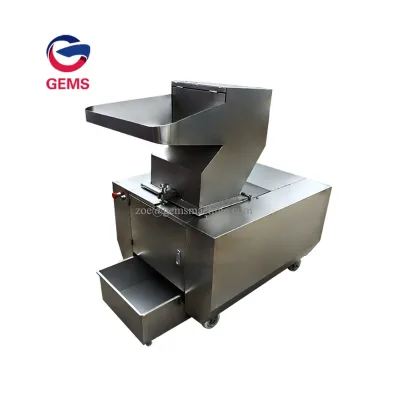


Multifunctional Beef Pork Cooked Meat Slicer Cutting Machine Marinated Meat Cutter
$2800.00 - $3100.00
MOQ: 1 Pieces
Comprehensive Sourcing Guide
Strategic Sourcing Guide for Automatic Electric Pork Ribs Cutters
Understanding the Technical Landscape of Automatic Rib Cutting Equipment
The procurement of an Automatic Electric Pork Ribs Cutter requires a precise understanding of the mechanical and electrical specifications that define industrial-grade performance. In the current market, these machines are engineered to handle high-volume processing tasks with a focus on consistency and operator safety. The core functionality revolves around a thermal processing or mild processing mechanism, depending on the specific model configuration and intended use case. Buyers must recognize that while the general category is "Meat Slicer" or "Rib Cutting Machine," the underlying technology varies significantly between fully automatic and semi-automatic units.
A critical technical differentiator is the power source and voltage compatibility. Market observations indicate that units are available with electric power sources operating at either 220V or 380V. This variance is not merely a specification detail but a fundamental constraint for facility integration. A facility with a 380V industrial grid cannot utilize a 220V unit without significant transformer infrastructure, and vice versa. Furthermore, the total power consumption is a key metric for energy budgeting, with observed specifications pointing to a total power rating of 4kw for high-capacity models. This power draw directly correlates with the machine's ability to maintain consistent blade speed under load.
The physical dimensions and processing capacity are equally vital for layout planning. The machine size is often substantial, with observed standard dimensions ranging from approximately 1080mm in length to 1000mm in height, and widths varying based on the specific model. For instance, some configurations measure 10809101000mm, while others may be as compact as 320470490mm or as large as 1300×600×900mm. The processing capacity is a definitive indicator of throughput, with specific models rated for 800-1000kg/H. This range suggests that these machines are designed for medium-to-large scale production lines rather than small-batch artisanal processing.
The cutting mechanism itself relies on specific blade geometries. The blade diameter is a standard specification, with observed values of 230mm. The blade thickness is another critical parameter, typically observed at 7mm, which influences the structural integrity of the cut and the machine's ability to handle frozen or semi-frozen meat. The inlet size, often cited as 500mm*130mm, dictates the maximum dimensions of the rib section that can be fed into the machine. Additionally, the cutting width is a customizable feature, with a standard observed width of 30mm, though buyers should verify if the supplier supports custom width adjustments to meet specific product requirements.
Compliance, Certification, and Material Standards
In the B2B food processing sector, compliance with international safety and material standards is non-negotiable. The procurement of automatic electric pork ribs cutters must prioritize units that carry recognized certifications. The market data confirms the availability of machines with CE and SGS certifications, as well as standalone CE certification marks. These certifications are not merely marketing labels; they indicate that the electrical components, safety guards, and emergency stop mechanisms have been tested against European safety directives and global quality standards. Buyers should explicitly request the certification documents to verify the scope of coverage, ensuring that the specific model intended for purchase is included in the valid certification batch.
Material composition is the second pillar of compliance and product longevity. The food contact surfaces of these machines must be constructed from high-grade stainless steel to prevent corrosion and ensure hygiene. The supplied facts highlight the use of SUS304 Stainless Steel, which is the industry standard for food processing equipment due to its excellent corrosion resistance and ease of cleaning. However, some models are observed to utilize SUS403 Stainless Steel. While SUS403 offers magnetic properties and high strength, SUS304 is generally preferred for direct food contact zones due to its superior non-magnetic and corrosion-resistant characteristics. Procurement teams must verify the specific material grade for each component of the machine, particularly the blade, the cutting table, and the housing, to ensure they meet local food safety regulations.
The structural integrity of the machine is further defined by its weight and build quality. Observed net weights for these units range significantly, with some models weighing 380kg and others around 90kg. The heavier units, such as the 380kg model, typically indicate a more robust internal frame and a larger motor, which contributes to stability during high-speed operation. Lighter units may be suitable for smaller operations but require careful evaluation of their vibration dampening and stability features. The packing standards also reflect the build quality, with options including wooden packing boxes and plywood cases designed to protect the machinery during international transit.
Cost Drivers and Pricing Dynamics in the Meat Processing Sector
The pricing of automatic electric pork ribs cutters is influenced by a complex interplay of factors, including automation level, material grade, and customization options. The observed listed price range in the market spans from 260 USD to 13,180 USD. This wide disparity is not indicative of quality variance alone but reflects the diversity in machine capabilities. The lower end of the price spectrum likely corresponds to semi-automatic models or those with smaller processing capacities and simpler mechanical designs. Conversely, the higher price points are associated with fully automatic units featuring advanced control systems, higher processing capacities (800-1000kg/H), and premium materials like SUS304 stainless steel.
A significant cost driver is the level of customization available. The product attributes confirm that customization is available for various parameters, including cutting width and potentially other mechanical adjustments. Customization typically incurs additional costs and may extend the lead time, as the machine is built to specific client requirements rather than being a standard off-the-shelf item. Buyers should anticipate that a machine with a standard 30mm cutting width will be more affordable than one with a custom-configured width or specialized blade geometry.
The automatic grade of the machine is another primary determinant of cost. The market offers both "Automatic" and "Semi-Automatic" grades. Fully automatic machines, which integrate feeding, cutting, and ejection systems without manual intervention, command a premium over semi-automatic units that may require operator input for loading or positioning. The "High Efficiency" and "Nice Performance" features often cited in product descriptions are direct results of this automation level and the associated engineering complexity.
Additionally, the origin of the product plays a role in the final cost structure. The majority of observed units originate from Hebei, China, a region known for its manufacturing capabilities in food machinery. While this location offers competitive pricing due to established supply chains, buyers must factor in logistics, import duties, and shipping costs, which can significantly impact the total landed cost. The minimum order quantity (MOQ) is observed to be 1 set for most models, which lowers the barrier to entry for small and medium-sized enterprises but may limit bulk negotiation leverage for larger procurement volumes.
Typical Applications and Operational Scenarios
Automatic electric pork ribs cutters are designed to serve a variety of applications within the meat processing industry, ranging from large-scale slaughterhouses to specialized processing plants. The primary application is the precise cutting of pork ribs into uniform sections, which is essential for retail packaging, further processing into ribs or chops, and industrial food production. The high processing capacity of 800-1000kg/H makes these machines ideal for facilities that need to process large volumes of meat daily, ensuring that production lines are not bottlenecked by manual cutting operations.
The versatility of these machines extends to different types of meat processing tasks. While the core keyword focuses on pork ribs, the functional attributes often include "Meat Cutter" and "Waterproof" capabilities, suggesting that these units can handle various cuts of meat and are designed to withstand the wet and often harsh environment of a meat processing facility. The "Mild Processing" and "Thermal Processing" process options indicate that some models may be adaptable for pre-cooked or heat-treated meat products, although the primary design intent is for raw meat cutting.
The specific model selection should align with the operational workflow. For instance, a facility requiring high throughput with minimal labor intervention would benefit from a fully automatic model with a 4kw power rating and a large inlet size. In contrast, a smaller operation or a facility with limited floor space might opt for a more compact model with dimensions around 500445850mm. The "Function" attributes, such as "High Efficiency" and "Nice Performance," are particularly relevant for operations where speed and consistency are paramount to meeting market demand.
Supplier Evaluation and Quality Assurance Protocols
Evaluating suppliers for automatic electric pork ribs cutters requires a rigorous approach that goes beyond price comparison. Buyers should prioritize suppliers who can provide comprehensive documentation regarding the machine's specifications, certifications, and material grades. The presence of CE and SGS certifications is a baseline requirement, but buyers should also verify the authenticity of these certificates and ensure they cover the specific model being purchased.
Quality assurance should be a central part of the supplier evaluation process. Buyers must request detailed information on the manufacturing process, including the welding techniques used for the stainless steel components and the quality control measures implemented during assembly. The use of SUS304 stainless steel is a positive indicator, but buyers should confirm that this material is used for all food-contact surfaces, not just the exterior casing. Additionally, the "Automatic Grade" and "Semi-Automatic" distinctions should be clearly defined to ensure the supplier's product matches the buyer's operational needs.
The packing and shipping standards are also critical indicators of supplier reliability. The observed use of wooden packing boxes and plywood cases suggests a focus on protecting the machinery during transit. Buyers should verify that the packing method is suitable for long-distance shipping and includes adequate moisture protection, especially for electrical components. The "prod_packing" attribute, which mentions "Provide" and "Wooden Packing Box," indicates that packaging is a standard part of the offering, but the quality of this packaging can vary between suppliers.
Long-Term Procurement and Maintenance Considerations
Long-term procurement success depends on understanding the maintenance requirements and lifecycle of the Automatic Electric Pork Ribs Cutter. The "Net Weight" and "Machine Size" are not just static specifications; they influence the maintenance logistics. Heavier machines may require more robust foundation support and specialized lifting equipment for maintenance tasks. The "Blade Thickness" of 7mm and "Blade Diameter" of 230mm are critical for determining the frequency of blade replacement and the availability of spare parts. Buyers should ensure that the supplier offers a reliable supply chain for replacement blades and other wear components.
The "Voltage" and "Total Power" specifications also have long-term implications for energy management and electrical maintenance. A 4kw motor requires a dedicated electrical circuit and regular inspection of the power connections to prevent overheating or electrical failures. The "Waterproof" function is a key feature for hygiene but also implies that the electrical components must be sealed and protected from moisture ingress, which can degrade over time if not properly maintained.
Finally, the "Customization" aspect of the machine should be considered in the context of future adaptability. As market demands change, the ability to adjust the cutting width or modify the machine's configuration can extend the useful life of the equipment. Buyers should inquire about the flexibility of the customization options and the cost implications of future modifications. The "MOQ" of 1 set suggests that even small orders can be fulfilled, but buyers should negotiate terms that allow for future expansion without significant penalties or lead time delays. By focusing on these long-term factors, buyers can ensure that their investment in automatic electric pork ribs cutters delivers sustained value and operational efficiency.
FAQs
What voltage options are available for automatic electric pork ribs cutters?
Units are available with either 220V or 380V voltage options to match facility infrastructure. Buyers must verify the specific voltage requirement before purchase to avoid transformer installation needs.
Which certification marks are commonly found on these meat cutting machines?
Many models carry CE and SGS certifications to ensure compliance with international safety standards. Buyers should request valid documentation to confirm the specific model is covered under these certifications.
How is the blade thickness specified for these automatic rib cutting machines?
The blade thickness is typically specified at 7mm to ensure structural integrity during cutting. This dimension helps the machine handle frozen or semi-frozen meat without blade damage.
Can the cutting width be customized for specific product requirements?
Yes, the cutting width is available for customization, with a standard observed width of 30mm. Buyers should confirm if the supplier supports custom width adjustments to meet specific product needs.
What is the typical processing capacity for high-volume meat cutting units?
High-capacity models are rated for a processing capacity of 800 to 1000kg per hour. This throughput makes them suitable for medium-to-large scale production lines rather than small batches.
Which stainless steel materials are used for food contact surfaces?
Food contact surfaces are constructed from SUS304 or SUS403 stainless steel grades. SUS304 is generally preferred for its superior corrosion resistance and ease of cleaning in food processing environments.